Fairy Tales vs. Folklore: What's the Difference and Why It Matters
Most of us use “fairy tale” and “folklore” as though they were interchangeable, and in a pub quiz nobody would pull you up on it. Both words conjure the same atmosphere: something old, something handed down, something with a bit of magic in it and a warning underneath.
They are not the same thing, though. A fairy tale is a particular kind of story with a recognisable shape. Folklore is the much larger, messier category that contains it — along with playground rhymes, weather sayings, village customs, and the ghost story your grandmother swore was true. Knowing which is which changes how you read them, how you retell them, and what you notice when someone adapts one for the screen.
What actually counts as a fairy tale
A fairy tale is a short story of magic and marvels, told in a deliberately vague setting. Once upon a time. A king, a miller, a youngest son. No date, no county, no map reference. The characters have roles rather than personalities: the clever youngest child, the cruel stepmother, the helpful old woman at the crossroads. They are not people you could bump into; they are pieces on a board.
The plot tends to run on the same rails. A prohibition is broken, a task is set, a journey is made, a fortune is reversed. Numbers matter — three sisters, three attempts, seven years. The ending restores order, usually with a wedding, and the last line closes the door firmly behind you: they lived happily ever after.
The name is misleading, by the way. Real fairies are rare in fairy tales. The eighteenth-century French term conte de fées stuck, but most British tales manage perfectly well without a winged creature in sight. In “Cap o’ Rushes”, an English cousin of Cinderella, the heroine gets by on her own wits and a disguise, not a fairy godmother.
What folklore covers — and why it’s bigger
Folklore is the unofficial culture of a community: everything a group passes on informally because it is useful, enjoyable or reassuring, rather than because an institution has told them to. That includes:
- Folktales, legends and myths
- Ballads, work songs and nursery rhymes
- Proverbs, riddles and sayings — “red sky at night, shepherd’s delight”
- Beliefs about luck, protection and the supernatural
- Calendar customs such as well dressing, apple wassailing and mummers’ plays
- Crafts, recipes, remedies, games and dialect words
Nobody owns folklore. It has no single author and no fixed text. It shifts each time it is told, which is exactly how it survives. The Folklore Society, founded in London in 1878, was set up to take this material seriously at a time when it was vanishing fast from everyday life.
Fairy tales sit inside folklore, but they are only one room in a very large house. The scholarly word for them is the magic tale, and folklorists catalogue them by plot type — Cinderella, for instance, is ATU 510A — because the same story turns up from China to Cornwall with different names and the same bones.
Three tests that separate them
If you are unsure which you are dealing with, these questions usually settle it.
The belief test
Fairy tales are not believed. Legends are. A legend is told as though it happened — not necessarily by you, but by someone, somewhere, and you would be unwise to scoff. The Lambton Worm of County Durham is a legend: a specific family, a specific stretch of river, a curse with consequences. Nobody tells “Jack and the Beanstalk” as local history.
The anchor test
Fairy tales float free of time and place. Legends are pinned down. Black Shuck, the spectral dog said to have terrorised the churches at Bungay and Blythburgh in 1577, belongs to those towns and that year. A fairy tale’s geography begins and ends with “a faraway kingdom”.
The teller test
Fairy tales were collected and polished by named writers — Perrault, the Brothers Grimm, Hans Christian Andersen, Joseph Jacobs — who shaped them into the versions we know. Folklore has no author to thank. A wassailing song or a brownie tradition belongs to everyone who kept it going and no one who invented it.
British examples that make the split visible
“Jack and the Beanstalk” is a useful case because it has lived on both sides of the line. The earliest surviving printed version dates from the 1730s, sold as a cheap chapbook, and Jacobs later gathered oral versions for English Fairy Tales in 1890. A story that began in print and was then fed back into the oral tradition by parents reading it aloud — that is how the two worlds mix.
“Tom Tit Tot”, written down in Suffolk in the nineteenth century, is a Rumpelstiltskin tale in all but name, complete with the impossible spinning task and the guessing game. It is a fairy tale. Set it beside the brownie of Scottish and northern English households — the helpful creature who threshes the corn overnight in exchange for cream, and who leaves for good if you insult him with a gift of clothes — and you are in folk belief, where people once took genuine precautions rather than simply enjoying a story.
Why the distinction matters
It matters first because it tells you what a story is for. Fairy tales are entertainment with a moral edge: they teach that the youngest can prevail, that kindness is repaid, that arrogance ends badly. Folklore does a wider job — it marks the seasons, explains the landscape, warns children away from the river, gives neighbours a shared joke.
It matters practically, too. When a film turns a legend into a fairy tale, it strips out the local detail that made it mean something to a particular place. When a publisher tidies a collected tale into something less violent and less strange, it removes the very thing folklorists fought to record. And if you want to write your own, knowing the difference keeps you honest: you can invent a fairy tale from scratch, but you cannot invent folklore on demand. It has to be passed on.
How to tell them apart in practice
- Ask where it is set. A kingdom with no name suggests a fairy tale; a named village suggests a legend.
- Ask whether anyone is meant to believe it. Told as true, it is legend or folk belief.
- Look at the characters. Flat roles and a narrow cast point to a magic tale; named local people point elsewhere.
- Check the ending. A wedding and a formulaic closing line are fairy-tale furniture.
- Look for publication history. If a named collector or author shaped it, you are reading a literary version of something older.
- If it involves a custom — a dance, a procession, a bowl of cream left out — you are in folklore proper.
Next time you read a tale aloud, try naming which one you have in your hands. You will start to notice the seams: the moment a local legend gets smoothed into a bedtime story, or a chapbook invention settles so comfortably into the oral tradition that everyone assumes it has been there for a thousand years. That small act of noticing is the whole pleasure of it.
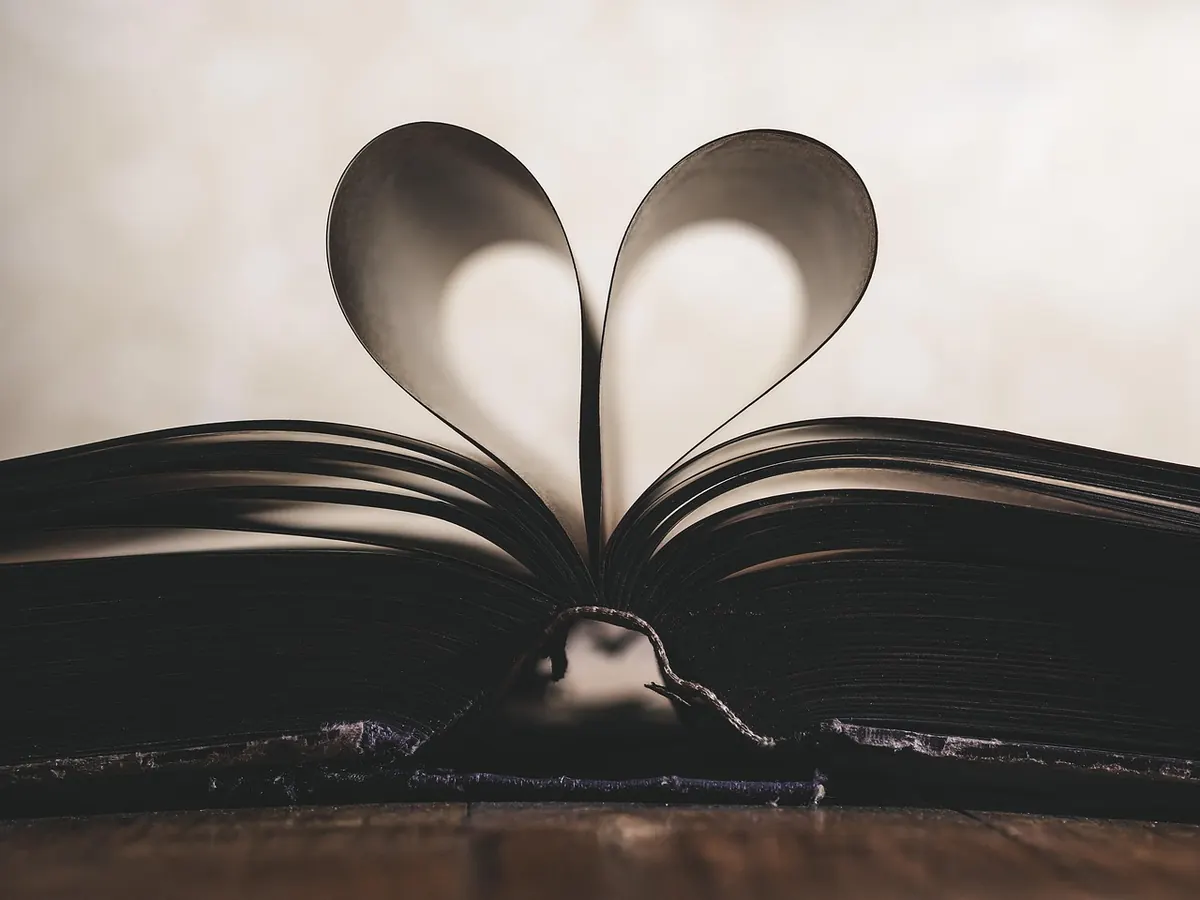
Photo: DariuszSankowski / Pixabay